Section 01One Holiday, Many Festivals
The lunar calendar is not the exclusive property of any single culture: the Gregorian date shifts each year, falling somewhere between late January and mid-February, but communities from the Yellow Sea to the Mekong Delta have long organised the start of their year around it. China's Chūnjié, Vietnam's Tết, Korea's Seollal, Tibet's Losar, Mongolia's Tsagaan Sar — these are not translations of each other. They share an astronomical trigger and a loose grammar of family, food and renewal, but the specifics diverge sharply.
In Vietnam, Tết is the most intensely observed holiday on the national calendar. Hanoi and Hoi An fill with kumquat trees and branches of peach blossom; families gather to honour ancestors at household altars, and the streets empty before filling again with fireworks and lion dances. The weeks immediately before Tết are among the busiest travel days of the year — trains, buses and flights sell out at speed, and prices spike. The week after Tết sees temples crowded with worshippers seeking good fortune for the coming year. For travellers, this is a rare moment to witness Vietnamese domestic life at its most vivid — if you can get there, and have pre-booked accommodation.
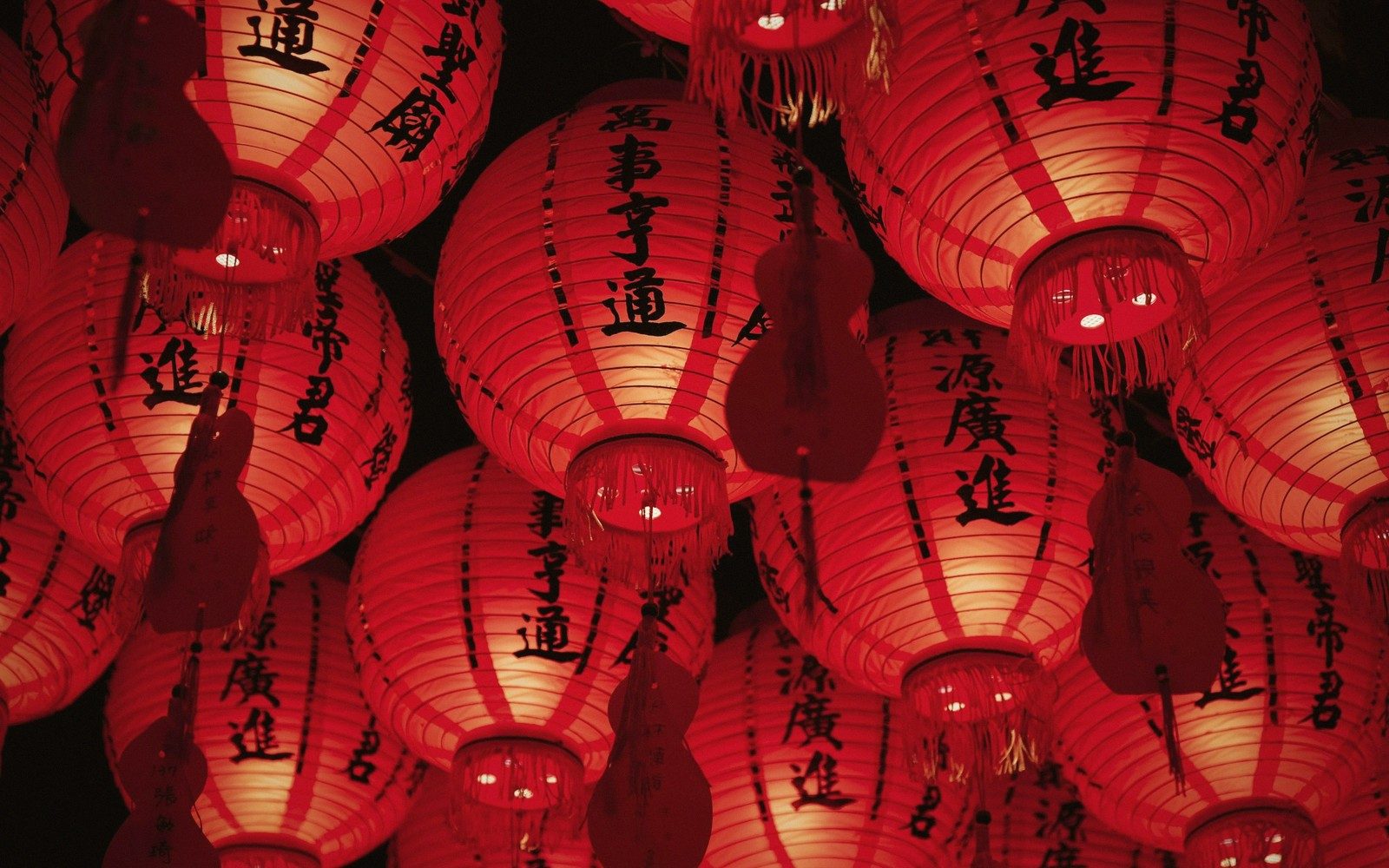
In China, Chūnjié sets off what may be the largest annual human migration on earth, as hundreds of millions of people move home for the reunion dinner on New Year's Eve. Cities hollow out; factories and shops shutter for a week or more. Tourist sites that are normally mobbed — urban temples, scenic districts — become either eerily quiet or overwhelmed by domestic visitors depending on the location. The lantern festivals that close the holiday fortnight, on the fifteenth day of the first lunar month, are worth planning for in their own right.
China's Chūnjié, Vietnam's Tết, Korea's Seollal, Tibet's Losar, Mongolia's Tsagaan Sar — these are not translations of each other.
Section 02The One Week When Nothing Moves
This is the practical fact that planners need to absorb early: the week bracketing Lunar New Year is the single most disruptive period for independent overland travel anywhere in East and Southeast Asia. Transport books out weeks or months ahead. Guesthouses in popular towns fill entirely. Shops, restaurants and local services — including pharmacies and money changers — may close for days without warning.
The strategic options are few but clear. Either arrive well before the holiday and settle somewhere you are happy to stay through the disruption — Luang Prabang slows gracefully, and smaller towns can feel genuinely intimate during the festival — or plan around it entirely, targeting the shoulder weeks on either side. Booking transport in Vietnam over Tết from within Vietnam is extremely difficult; do it from outside the country, well in advance.
Not every celebration follows the Chinese calendar precisely. Losar, the Tibetan New Year, shifts according to its own lunar reckoning and sometimes falls a week or more after Chūnjié. In Kathmandu, the Newari community observes its own new year at a different point in the calendar altogether. The Himalayan regions offer a quieter counterpoint: monastery celebrations in the high valleys are less about crowds than about butter lamps, cham dance and the particular stillness of altitude in winter.
The traveller's reward for timing a trip around this fortnight is access to Asia at its most ceremonial and most itself. The cost is logistical difficulty that requires preparation rather than improvisation. Book early, carry flexibility in your schedule rather than your wallet, and remember that the disruption is the point — you are watching a continent pause and turn toward home.