Section 01The Three Systems
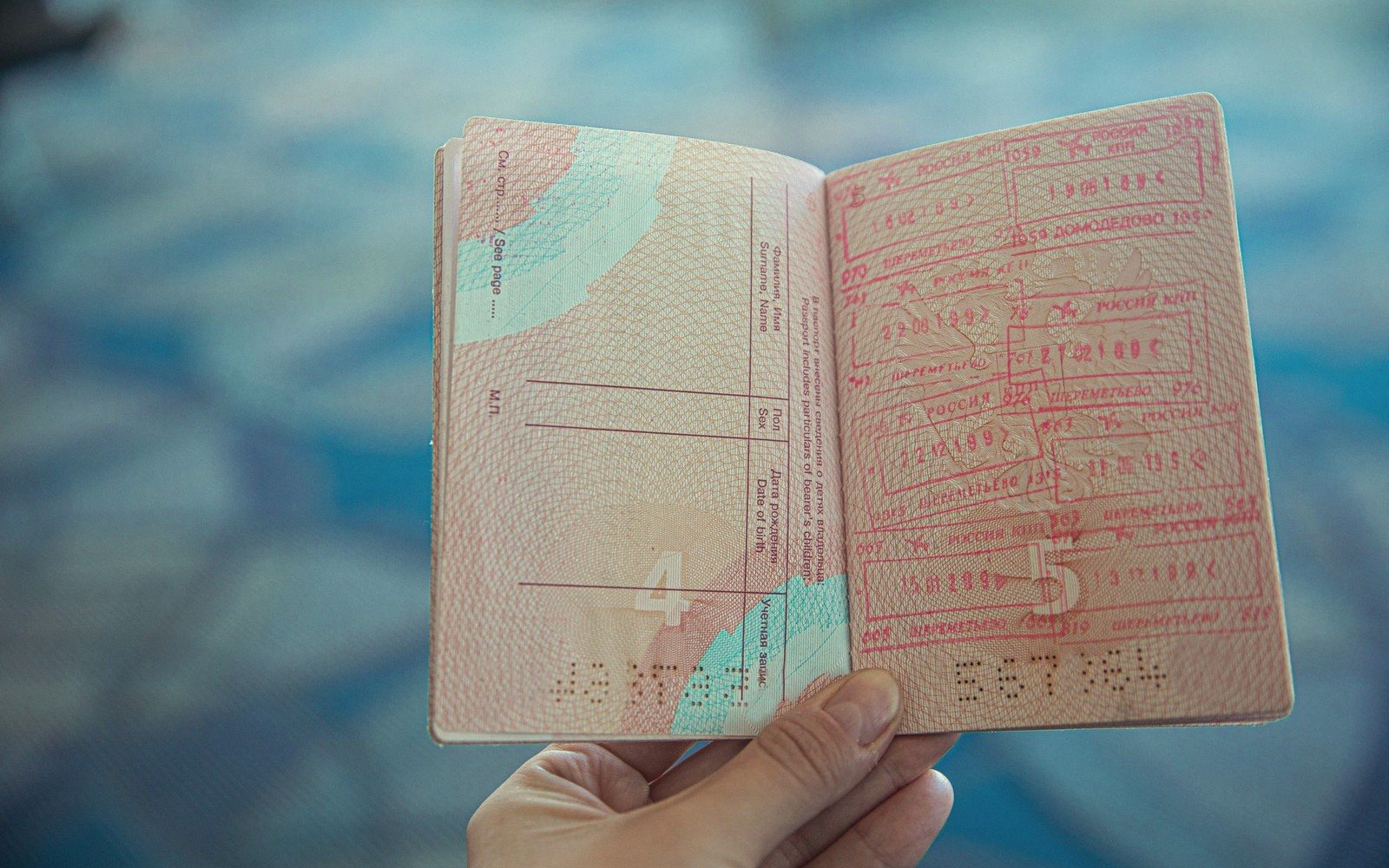
The first is visa-free or visa-on-arrival access: a growing number of countries grant passport holders a stamp at the border, valid for anywhere between two weeks and a month or two. Japan, Thailand, Vietnam and the Philippines all fall into this category for many Western passports, though the exact duration varies by nationality. Check your government's official travel advice for the current figure — these arrangements shift quietly and a border officer won't warn you about what you didn't read.
The second is the e-visa: applied for online before you travel, paid by card, issued as a PDF or QR code. India, Uzbekistan and Sri Lanka run well-established e-visa portals. The process usually takes a few working days, though some systems are slower at certain times of year — apply a week out minimum, two weeks if the trip is fixed. Print it. Officials in smaller border posts still prefer paper.
The third is the embassy or consulate visa: in-person or by post, with supporting documents, processing time measured in days or weeks, and fees that vary by nationality and reciprocity. China, Bhutan and a handful of Central Asian destinations require this route for most travellers. Bhutan adds a further layer — mandatory daily fees paid through a licensed operator — making it distinct from anywhere else in the region.
The first is visa-free or visa-on-arrival access: a growing number of countries grant passport holders a stamp at the border, valid for anywhere between two weeks and a month or two.
Section 02Keeping a Long Trip Legal
Two errors trip up travellers more than any others. The first is overstaying: the consequences range from a fine at the airport to a multi-year entry ban. A short trip across a land border and back — sometimes called a "border run" — can reset a tourist visa, and it is technically legal in many countries, but rules on this have tightened across Southeast Asia and should not be assumed to work. The second error is conflating visa validity with permitted stay: a sixty-day visa may only allow you thirty days inside the country. They are different numbers, and both matter.
For a multi-country journey, map your entry requirements before booking flights. Decide which visas need advance preparation — those go first — and which you can collect on arrival. Keep scanned copies of every visa and entry stamp in your email drafts: if a document is lost, that record is worth having.
The paperwork is genuinely dull. But done methodically, in the right order, it stops being something to panic about and becomes what it actually is: a short admin task before the interesting part begins.