Section 01The First Decision: Pick a Region, Not a Highlight Reel
India is continental in scale — the distance from Amritsar in the northwest to Chennai in the south is roughly the same as London to Cairo. Travellers who try to see the Taj Mahal, the backwaters of Kerala, Varanasi, Rajasthan and Hampi in thirty days end up spending a third of their trip on sleeper trains, arriving perpetually tired and retaining almost nothing. The most useful thing a first-time visitor can do before booking a single flight is to accept that India will require return trips. One month is enough to understand a region — its food, its rhythm, its particular way of being urban or rural — if you don't fritter it on transit.
There are four regions that work well as self-contained month-long trips, each coherent enough to reward depth over distance.
The North: Delhi as a hub, then Rajasthan — Jaipur, Jodhpur, Jaisalmer, Udaipur — with perhaps a swing through Agra for the Taj and a few days in Varanasi before flying home. This is the classic first-timer's circuit and it is classic for good reason: the architecture is staggering, the food is rich and unfamiliar, and the density of things to look at means you can slow down without feeling like you're missing something.
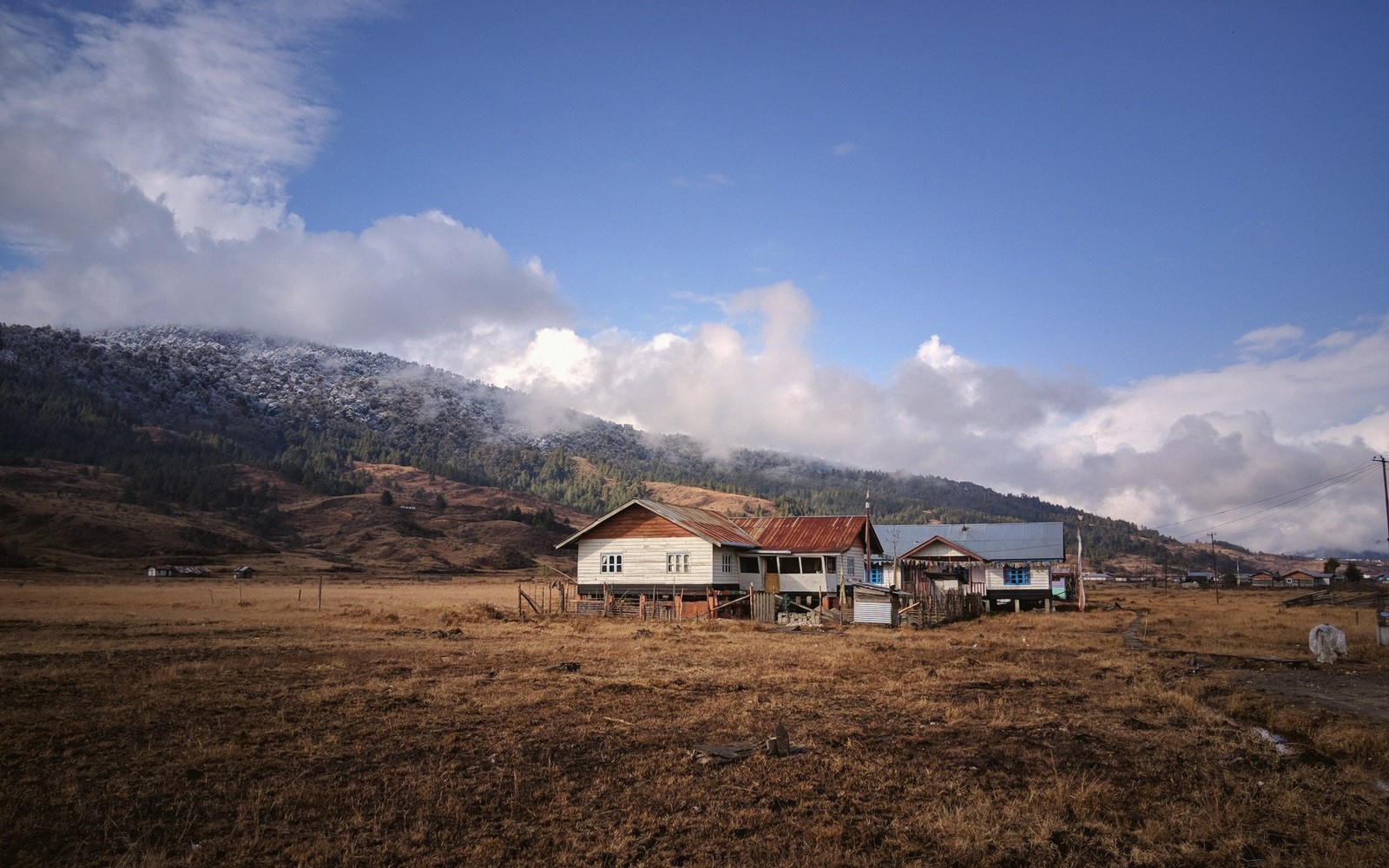
The Northeast and the Himalayan foothills: Kolkata as a base, then Darjeeling, Sikkim, and perhaps the Brahmaputra valley or Meghalaya's living root bridges. Fewer tourists, more complex logistics, and a completely different face of the country — cooler, greener, quieter, with an indigenous and tribal cultural heritage that has almost nothing in common with the Mughal north.
The South: Kerala, Karnataka and Tamil Nadu form a coherent region with their own language families, temple architecture (Dravidian gopura towers rather than Mughal domes), coastline, and a rice-and-coconut cuisine entirely unlike the wheat-and-ghee cooking of the north. You can fly into Kochi, spend time in the hill stations and spice plantations of Munnar, cross into Karnataka to see Hampi and Mysore, and finish in Tamil Nadu's temple towns.
The Western Ghats and Goa: A slower, coastal month. Goa's Portuguese-inflected architecture and beach villages, then south into the Ghats — a biodiversity corridor running almost the full length of the western coast — ending in Kerala. Best suited to travellers who want a lower tempo and don't feel compelled to see monuments.
Section 02How to Structure the Time
Whichever region you choose, the same principles apply. Spend more days in fewer places. Two nights somewhere teaches you its postcards; five nights lets you wander without purpose and find the street you'll actually remember.
A workable structure for Rajasthan — the most popular northern circuit — looks something like this: five or six days in Delhi, which is not simply a transit stop but a city of layered histories from the Delhi Sultanate through to Lutyens' imperial avenues; then the train to Jaipur and three or four days in the Pink City, including a day out to Amber Fort and ideally one afternoon in the textile and block-print workshops of Sanganer; then west by bus or private car through Ajmer (worth a night for the Dargah Sharif, one of the most important shrines on the Sufi pilgrimage circuit) to Jodhpur, the Blue City, where three or four days still leaves things unexplored; then a desert excursion to Jaisalmer and a night or two in the dunes; then south by train to Udaipur, the most visually theatrical of the Rajasthan cities, where the lake palaces are even more improbable in person than in photographs; and finally Varanasi — not technically Rajasthan, but a natural close to this arc — for four or five days on the ghats. Fly home from Varanasi, or backtrack to Delhi.
That itinerary covers roughly seven stops over thirty days. It is not a sprint. Each place gets enough time to stop feeling like a checklist.
For the south, a comparable structure might open in Kochi (four days, old Portuguese quarter, the Chinese fishing nets, the Kathakali and Kalaripayattu performance spaces), move into the Munnar highlands for two or three days, cross to the flat coastal south for Alleppey and a night or two on a rice-barge houseboat in the backwaters, then north by train into Karnataka for Hampi (three or four days — the Vijayanagara ruins repay slow exploration on a bicycle far more than a rushed afternoon), then Mysore for its palace, its silk market and its sandalwood workshops, then across the Ghats by road into Tamil Nadu to finish in Madurai, whose Meenakshi Amman Temple is one of the great architectural achievements of the subcontinent.
Two nights somewhere teaches you its postcards; five nights lets you wander without purpose and find the street you'll actually remember.
| Region | Hub | What the month gives you | Logistics |
|---|---|---|---|
| The North | Delhi | Rajasthan’s desert cities, Agra, and the ghats of Varanasi — the densest architecture on the route. | Easy; frequent trains |
| Northeast & foothills | Kolkata | Darjeeling, Sikkim, the Brahmaputra valley — cooler, greener, far fewer visitors. | Complex; permits in places |
| The South | Kochi | Kerala, Karnataka and Tamil Nadu: Dravidian temple towns, hill stations, rice-and-coconut cooking. | Comfortable; good roads |
| Western Ghats & Goa | Goa | Portuguese-inflected coast, then the biodiversity corridor of the Ghats into Kerala. | Slow by design |
| The northern circuit | The southern circuit | |
|---|---|---|
| Architecture | Mughal domes, Rajput forts, imperial Delhi | Dravidian gopura towers, Vijayanagara ruins |
| Cooking | Wheat and ghee | Rice and coconut |
| Best months | October to March; cold desert nights in December and January | October to March; the west coast is soaked June to September |
| Tempo | Dense, loud, persistent touts in the tourist cities | Gentler; roads behave; fewer crowds outside temple festivals |
Section 03The Practicalities That Actually Matter
Season: India's size means no single travel season suits the whole country. Broadly, October to March is comfortable across most of the north and south — post-monsoon, before the punishing pre-monsoon heat. Rajasthan in December and January is cold at night (Jaisalmer especially — carry layers). The south's monsoon arrives from the southwest in June and retreats from the northeast coast later in the year, so Kerala and Karnataka are soaked from June through September while Tamil Nadu's Bay of Bengal coast gets its rains in October and November. The northeast and Himalayan foothills are best from March to May and again from October to November. Read the monsoon's regional logic before fixing dates.
Trains: India's railway network is enormous, heavily used, and — once you understand the booking system — genuinely efficient for long distances. Book through the IRCTC system (India's national rail booking portal), ideally weeks in advance for sleeper and air-conditioned classes on busy routes. Tourist quota exists for most popular trains and releases a small number of seats closer to departure. The overnight train piece on this site explains the class system in plain terms. For the Rajasthan circuit, the Palace on Wheels tourist train exists but is expensive and abbreviated; ordinary AC-2 tier on the regular network gets you to the same places with more flexibility.
Visas: Most nationalities can apply for an Indian e-visa online before departure, valid for sixty or ninety days as a tourist, with double or multiple entry. The process is straightforward; apply at least four to five business days before travel and keep the approval document on your phone and printed. Check the official Indian government e-visa portal for current eligibility — the country list changes.
Pace and health: The biggest practical mistake first-timers make is underestimating the energy India demands. Cities are loud, traffic is relentless, touts are persistent (especially in heavily touristed Rajasthan), and even the most organised days tend to involve unexpected detours. Build in do-nothing afternoons. Drink bottled or filtered water; be cautious with street food until your system adjusts — though once adjusted, eating well at street level is one of the best things India offers. Carry a basic medical kit and have travel insurance that covers evacuation.
Internal flights: For a month-long trip where you're choosing depth over breadth, you will probably take one or two domestic flights — most usefully at the beginning or end of the trip to avoid backtracking. Kolkata to Varanasi, or Kochi to Delhi for the flight home, makes geographic and temporal sense. Indian domestic aviation is competitive and fares vary enormously with how far ahead you book; the budget carriers IndiGo, Air India Express and SpiceJet cover most major routes.
- 015–6nights
Delhi
Not a transit stop: layered histories from the Delhi Sultanate through to Lutyens’ imperial avenues.
Then → train west to Jaipur - 023–4nights
Jaipur
The Pink City, with a day out to Amber Fort and an afternoon in the block-print workshops of Sanganer.
Then → road south-west via Ajmer - 033–4nights
Jodhpur
The Blue City. Three or four days still leaves things unexplored beneath Mehrangarh.
Then → desert leg to Jaisalmer - 042–3nights
Jaisalmer & the dunes
A desert excursion and a night or two out in the sand; carry layers in December and January.
Then → overnight train south to Udaipur - 058–9nights
Udaipur, then Varanasi
The most theatrical of the Rajasthan cities, then four or five days on the ghats to close the arc.
Fly home from Varanasi
- Four to five months outFix the region and book the international legs; sleeper and air-conditioned classes on busy routes fill weeks ahead.
- Weeks before departureBook long-distance trains through the national rail portal; tourist quota releases a small number of seats closer to the day.
- Four to five business days outApply for the e-visa; keep the approval on your phone and printed.
- Week one on the groundStay put in the hub city. Adjust to the tempo before adding heat, crowds or altitude.
- Halfway, roughly day fifteenBuild in a do-nothing afternoon; the itinerary will have rearranged itself by now, usually in your favour.
Section 04What You Will Actually Remember
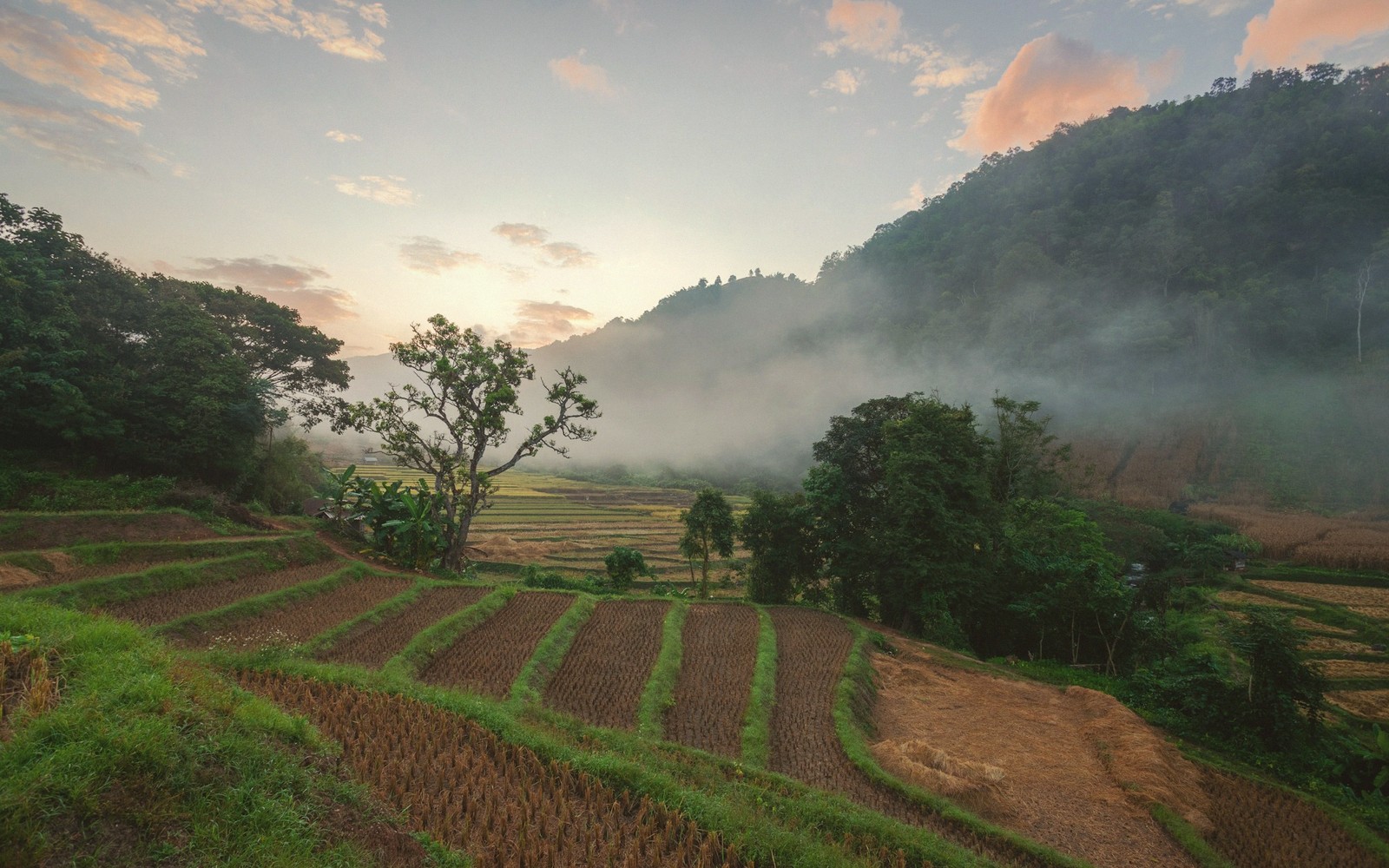
Not the monuments, though the monuments are extraordinary. What stays is the smell of marigolds at a wedding procession materialising without warning in a Jodhpur alley; the particular green of paddy fields viewed from a train window somewhere between Ernakulam and Thrissur; the chai served in unglazed clay cups at a Varanasi platform stall, drunk and the cup smashed on the tracks as tradition allows; the moment a temple in Tamil Nadu stops being a building you are inspecting and becomes a living institution you are briefly passing through.
India is not a place that yields to a rushed itinerary. Give a region thirty days, stay somewhere long enough to stop looking at your map, and it will give you far more than a fortnight of five-cities-in-a-row ever could.